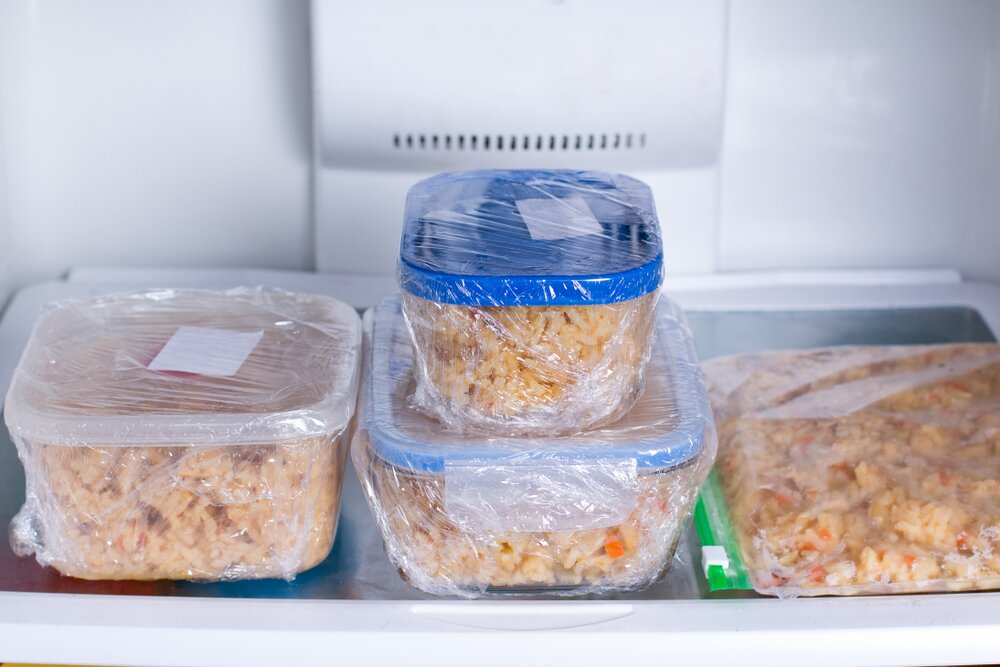

Rice is one of the most practical foods to keep in the kitchen. It is filling, versatile, affordable, and easy to pair with many meals. In many Ghanaian homes, rice is cooked in generous quantities so there is enough for the family or enough to save time later in the week. That naturally leads to one common question: can you freeze rice?
Yes, you can freeze rice. In fact, freezing rice is one of the easiest ways to save leftovers, reduce waste, and make meal preparation much faster. When rice is cooked properly, cooled the right way, stored well, and reheated carefully, it can still taste fresh and enjoyable after freezing.
However, not every batch of frozen rice turns out well. Sometimes reheated rice becomes dry, hard, soggy, or loses its aroma. In other cases, people store it incorrectly and create avoidable food safety problems. That is why it is important to understand not just whether rice can be frozen, but how to freeze it well.
This guide explains everything in detail, including which rice varieties freeze best, how to cool and package rice properly, how to reheat it without ruining the texture, and which mistakes to avoid. If you use quality rice such as Peacock Rice, the results are even better because good rice tends to hold its structure and taste more successfully during storage and reheating.
Can Rice Really Be Frozen Successfully?
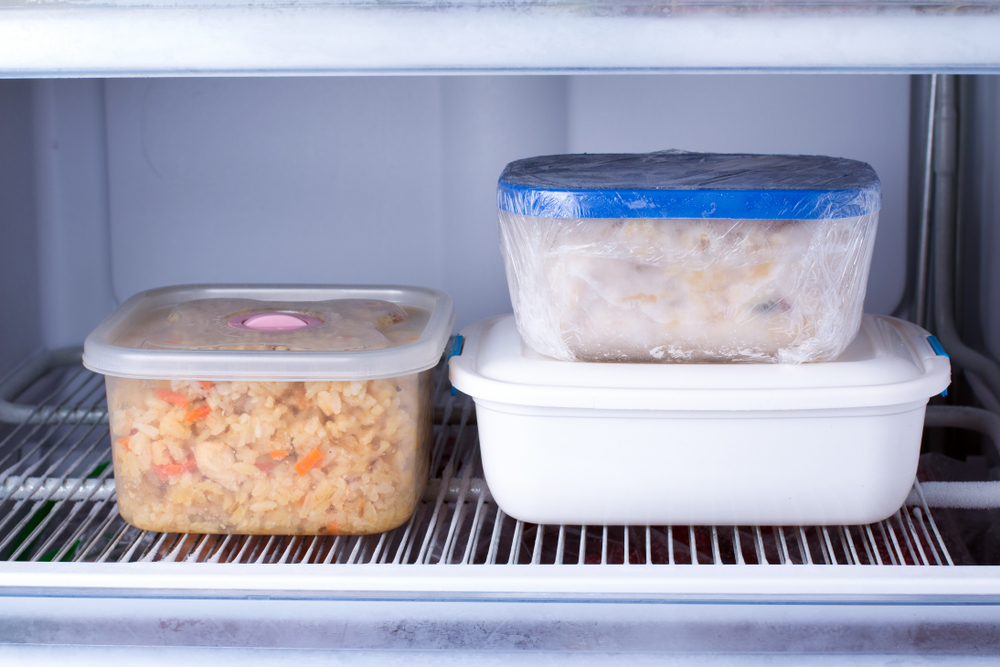
Yes, rice freezes very well when handled correctly. This is because cooked rice can retain a good amount of its structure in the freezer, especially when the grains are not overcooked to begin with. Once frozen, the rice simply goes into a dormant state. It does not stop being rice or become unusable. The main challenge is protecting its moisture and texture so that when it is reheated, it tastes pleasant rather than stale or rubbery.
Many people assume frozen rice will always turn mushy or hard, but that usually happens because of poor technique rather than because freezing itself is the problem. If the rice is left out too long before storage, packed while too wet, or reheated without moisture, the final result may disappoint. But when the process is done properly, frozen rice can be surprisingly good.
This is especially helpful for people who want to cook in advance, parents trying to simplify weeknight meals, workers who need quick lunch options, or anyone trying to reduce food waste at home. A well-stored portion of rice can make it much easier to prepare a fast meal with stew, vegetables, chicken, fish, or sauce.
Why Freezing Rice Is So Useful
Freezing rice is more than just a storage trick. It is a practical kitchen habit that can make everyday cooking much easier. Instead of preparing rice from scratch every single time, you can cook once and use it gradually. That saves both time and energy. It also helps prevent the common problem of leftover rice sitting in the fridge too long and eventually being thrown away.
For busy households, frozen rice can be a real advantage. A portion can be reheated in minutes and served with soups, stews, grilled meat, vegetable sauces, or beans. It is also extremely useful for quick stir-fries and fried rice because cold rice often performs better in the pan than freshly cooked rice.
Another benefit is portion control. When rice is frozen in meal-sized portions, it becomes easier to reheat only what you need. This avoids repeated warming and cooling, which can affect both safety and quality.
Does Every Type of Rice Freeze the Same Way?
Not all rice behaves exactly the same after freezing. The variety of rice you use matters because different grains have different starch levels, textures, and moisture retention. Some types remain beautifully separate after reheating, while others become softer or stickier.
Golden Sella Basmati Rice is an excellent option for freezing because the grains tend to stay long, firm, and separate. This makes it especially useful for people who want rice that does not clump together after reheating. If you are preparing meals ahead of time and want a rice variety that keeps its shape well, this type is a strong choice.
Thai Hom Mali Jasmine Rice also freezes well, though its texture is naturally a bit softer and more fragrant. When reheated properly, it can still be fluffy and delicious. This is a good option for those who enjoy rice with a more tender bite and a lovely aroma in the final meal.
In general, long-grain rice often freezes better than very soft or overly starchy rice because the grains are more likely to stay distinct. That said, almost any cooked rice can be frozen if you pay attention to how it is cooked, cooled, and reheated.
The Most Important Step Before Freezing: Cooling the Rice Properly
One of the biggest mistakes people make with cooked rice is leaving it at room temperature for too long. This is not just a quality issue. It is also a food safety issue. Cooked rice should be cooled and stored promptly because rice can develop bacteria if it is left sitting out for an extended period.
The best approach is to cool the rice as soon as possible after cooking. Do not leave it in the hot pot for too long with the lid on, because trapped steam can continue softening the grains and create excess moisture. Instead, spread the rice out gently on a tray, shallow bowl, or wide plate so the heat escapes more quickly. This helps the grains cool evenly and reduces the risk of the rice becoming wet and sticky inside storage containers.
The goal is not to dry the rice out completely. You simply want it to stop steaming heavily and cool down enough to be packed safely. Once it has cooled, it should be transferred into freezer-safe packaging without unnecessary delay.
How to Freeze Rice the Right Way
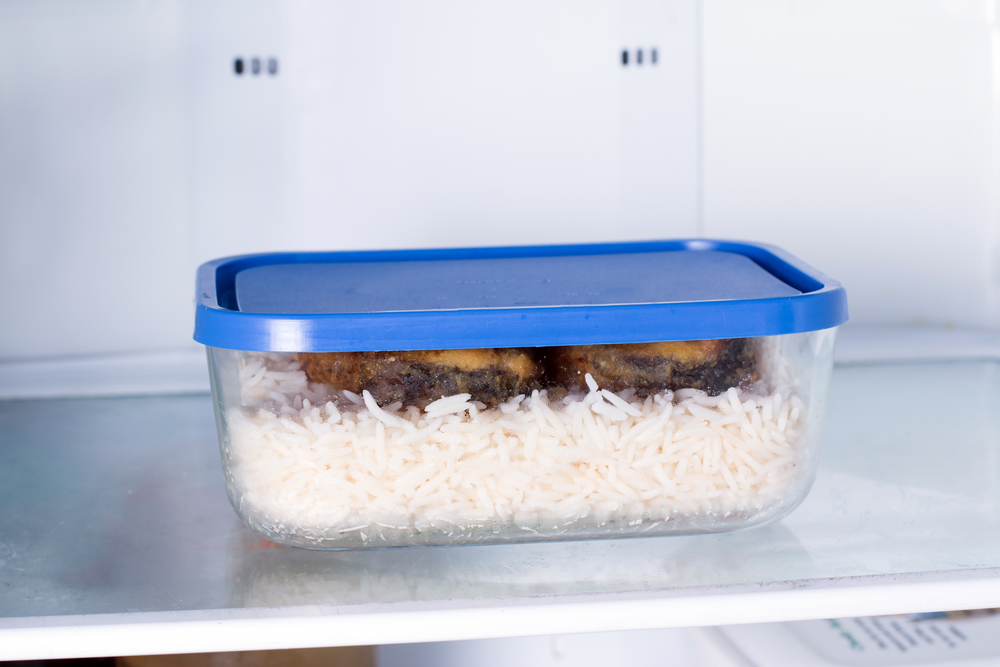
The best method is simple. After the rice has cooled, divide it into portions based on how you normally eat. A single-serving portion is often the most convenient because you can remove only what you need. If you usually cook for a family, you can also freeze larger portions, but avoid freezing one huge mass of rice unless you know you will use it all at once.
Once portioned, place the rice into airtight freezer bags or containers. If you use freezer bags, press out as much air as possible before sealing them. This matters because trapped air increases the chance of freezer burn and can dry out the rice. Flattening freezer bags also helps the rice freeze more evenly and saves space.
If you prefer containers, choose ones that seal tightly. The container should not be too large for the amount of rice inside, because excess empty space can encourage moisture loss. Label the package with the date so you know when it was stored.
For the best quality, rice is usually best used within one to two months, though it may remain safe longer if it has stayed continuously frozen. The longer it sits, the more likely it is to lose some of its ideal texture and aroma.
Should You Freeze Rice Plain or as Part of a Full Dish?
Both options can work. Plain rice is the most flexible because it can later be paired with almost any meal. This is often the best choice if you want versatility. You can defrost it for stew one day, vegetable sauce another day, and fried rice later in the week.
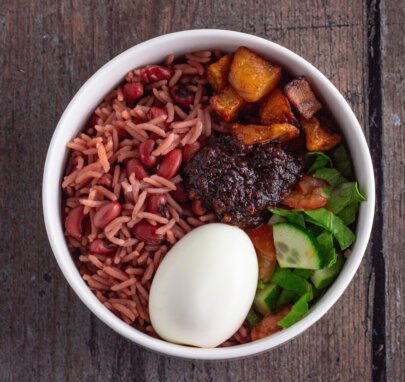
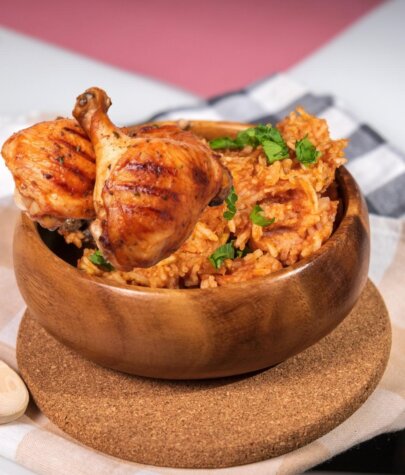
Rice that has already been mixed into a dish can also be frozen. For example, some people freeze jollof rice, vegetable rice, or rice with beans. This can be very convenient, but the final result depends on the moisture content and ingredients in the dish. Rice cooked in sauce may sometimes soften more during reheating, while plain rice usually gives you more control over the final texture.
How to Reheat Frozen Rice Without Ruining It
Reheating is where many people lose the quality of their rice. Frozen rice needs moisture and gentle heat. Without that, it often turns dry or unevenly heated.
The microwave is the fastest method. Put the rice in a microwave-safe bowl, sprinkle in a little water, and cover it loosely. The added moisture creates steam, which helps bring back softness. As the rice heats, the steam loosens the grains and makes them more pleasant to eat. Stirring once during reheating can help distribute the heat evenly.
The stovetop is another good option, especially if you are reheating a larger portion. Place the rice in a pan, add a small amount of water, cover it, and warm it on low heat. The lid is important because it traps steam. With gentle heat, the rice warms through without burning at the bottom.
Steaming is often one of the best methods if you care most about texture. Steam restores moisture in a very natural way and can make the rice feel closer to freshly cooked rice. This works particularly well for fragrant varieties such as Thai Hom Mali Jasmine Rice, which benefit from careful reheating that preserves softness and aroma.
In general, it is best to reheat rice only once. Repeated heating and cooling can reduce quality and is not a good practice for food safety.
Why Frozen Rice Sometimes Turns Dry, Hard, or Mushy
If rice becomes dry after reheating, the usual cause is moisture loss. This can happen when it was not sealed properly in storage or when it was reheated without adding water. Freezer air is very dry, so rice that is poorly protected can lose moisture quickly.
If the rice turns hard, it may have been overexposed to freezer air or heated too aggressively without enough steam. This is common when people microwave rice uncovered.
If the rice turns mushy, the issue often began before freezing. Rice that was already overcooked, too wet, or left steaming in the pot for too long may become even softer when reheated. This is why the original cooking stage matters so much. Rice that starts well usually stores better.
Can You Freeze Rice for Meal Prep?
Yes, and this is actually one of the smartest uses for frozen rice. Meal prepping with rice allows you to build quick lunches and dinners with very little effort during the week. You can cook a large batch on the weekend, freeze it in portions, and take out only what you need. That way, dinner becomes much easier to assemble.
For meal prep, quality rice makes a noticeable difference. Golden Sella Basmati Rice is especially helpful for this because it tends to stay separate and neat even after freezing and reheating. That makes it ideal for lunch boxes, rice bowls, and plated meals where appearance and texture matter.
If you prefer soft, aromatic rice that pairs beautifully with vegetables and lightly seasoned dishes, Thai Hom Mali Jasmine Rice is a lovely option for make-ahead cooking as well.
Can You Freeze Special Rice Dishes Like Jollof Rice or Fried Rice?
Yes, many rice dishes can be frozen, but the results vary slightly depending on the recipe. Jollof rice often freezes reasonably well, especially if it was not overly wet to begin with. Since it already contains sauce and seasoning, it may remain flavorful after reheating, though the texture can soften a little more than plain rice.
Fried rice can also be frozen, but vegetables inside the rice may change slightly in texture after thawing and reheating. Even so, it can still be very convenient for quick meals.
If you are looking for ideas that work well with quality rice, you can also direct readers toward recipe inspiration such as Healthy Vegetable Rice with Peacock Thai Hom Mali Jasmine, which highlights how fragrant rice can be used in practical home cooking.
Food Safety Matters More Than Many People Realize
Whenever cooked rice is discussed, safety should be taken seriously. Rice should not sit at room temperature for long periods. Once it has cooled enough to handle, it should be refrigerated or frozen promptly. The reason is simple: cooked rice can become unsafe if handled carelessly, even if it still looks normal.
Freezing does help preserve rice, but it does not correct poor handling earlier in the process. If the rice was left out too long before freezing, that problem does not disappear just because it later went into the freezer. Safe storage begins from the moment the rice is done cooking.
Once reheated, rice should be piping hot all the way through before serving. This is especially important for larger portions, where the center may stay cooler than the outside if reheating is rushed.
Practical Tips for Better Frozen Rice
It helps to cook rice with good texture from the start. Rice that is fluffy and properly cooked is far easier to freeze successfully than rice that is already too soft or sticky. It also helps to freeze it in portions soon after cooling rather than waiting until the next day.
Another good habit is to think ahead about how you will use the rice later. If the rice is intended for quick lunch meals, freeze smaller individual portions. If it is for a family dinner, freeze larger packs. A little planning at the packaging stage makes reheating much more efficient later on.
Good rice varieties also make a difference. High-quality grains from Peacock Rice give you a stronger foundation because the rice cooks well in the first place, and that usually leads to better freezing results.
Frequently Asked Questions
Can you freeze cooked rice?
Yes, cooked rice can be frozen very successfully. The most important things are to cool it quickly, store it properly, and reheat it thoroughly before eating.
How long can frozen rice last?
For the best taste and texture, it is ideal to use frozen rice within one to two months. It may stay safe longer if continuously frozen, but quality is usually best within that period.
Can you freeze rice straight after cooking?
You should allow it to cool first, but it can be frozen soon after cooking once the steam has reduced and the rice is no longer very hot.
Why does reheated frozen rice become dry?
This usually happens because the rice lost moisture in storage or because it was reheated without adding water. A small amount of water and covered reheating can make a big difference.
Can you freeze jasmine rice?
Yes, jasmine rice freezes well. Fragrant varieties such as Thai Hom Mali Jasmine Rice can still taste very good after freezing when they are reheated carefully.
Can you freeze basmati rice?
Yes, basmati rice is one of the best types of rice to freeze because the grains often remain separate and firm. Golden Sella Basmati Rice is particularly suitable for this.
Can you freeze jollof rice?
Yes, jollof rice can be frozen. Just make sure it is cooled properly and stored in airtight packaging. When reheating, add gentle heat so it warms through evenly.
Conclusion
So, can you freeze rice? Absolutely. Freezing rice is a practical, safe, and effective way to save time, reduce food waste, and make everyday cooking easier. The key is to do it properly. Cook the rice well, cool it quickly, store it in airtight portions, and reheat it with moisture so the grains remain soft and enjoyable.
If you want rice that stays separate and neat after reheating, Peacock Rice is an excellent choice. Either way, starting with quality rice gives you a much better result.
Freezing rice is not just possible. When done well, it can become one of the simplest kitchen habits that saves you time and helps every meal come together more easily.
Ready to Cook?
Try this Aromatic Turkey & Rice Recipe with Peacock Golden Sella Basmati
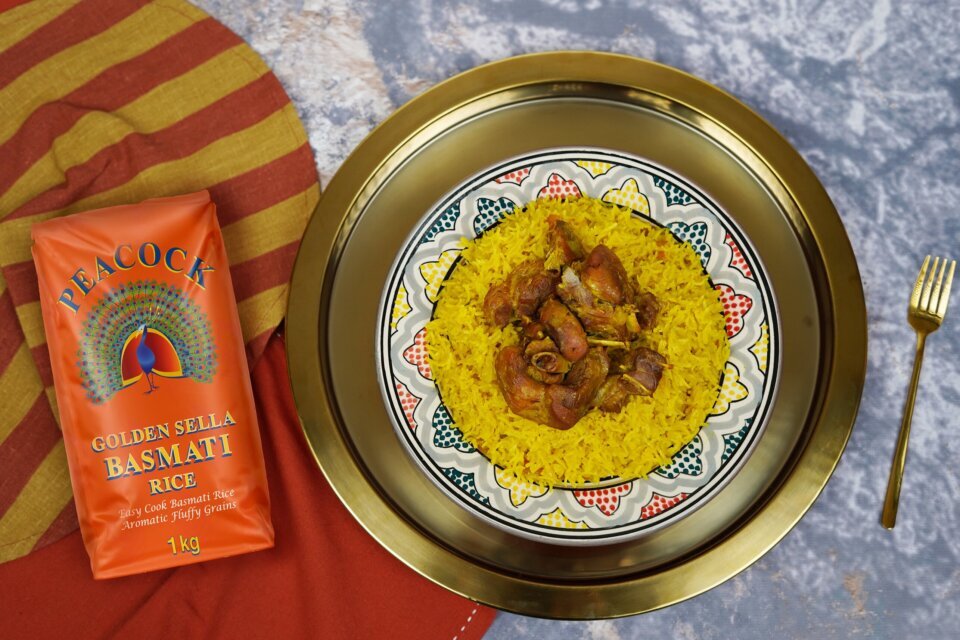
This savory Turkey and Rice dish is a simple yet flavorful meal, perfect for a nutritious family dinner. By using Peacock Golden Sella Basmati Rice, known for its long grains and ability to remain fluffy and separate, you ensure a perfect texture that complements the rich, aromatic spices like Ras el Hanout. This is a delightful meal to bring a touch of warm, exotic flavor to your Ghanaian kitchen.