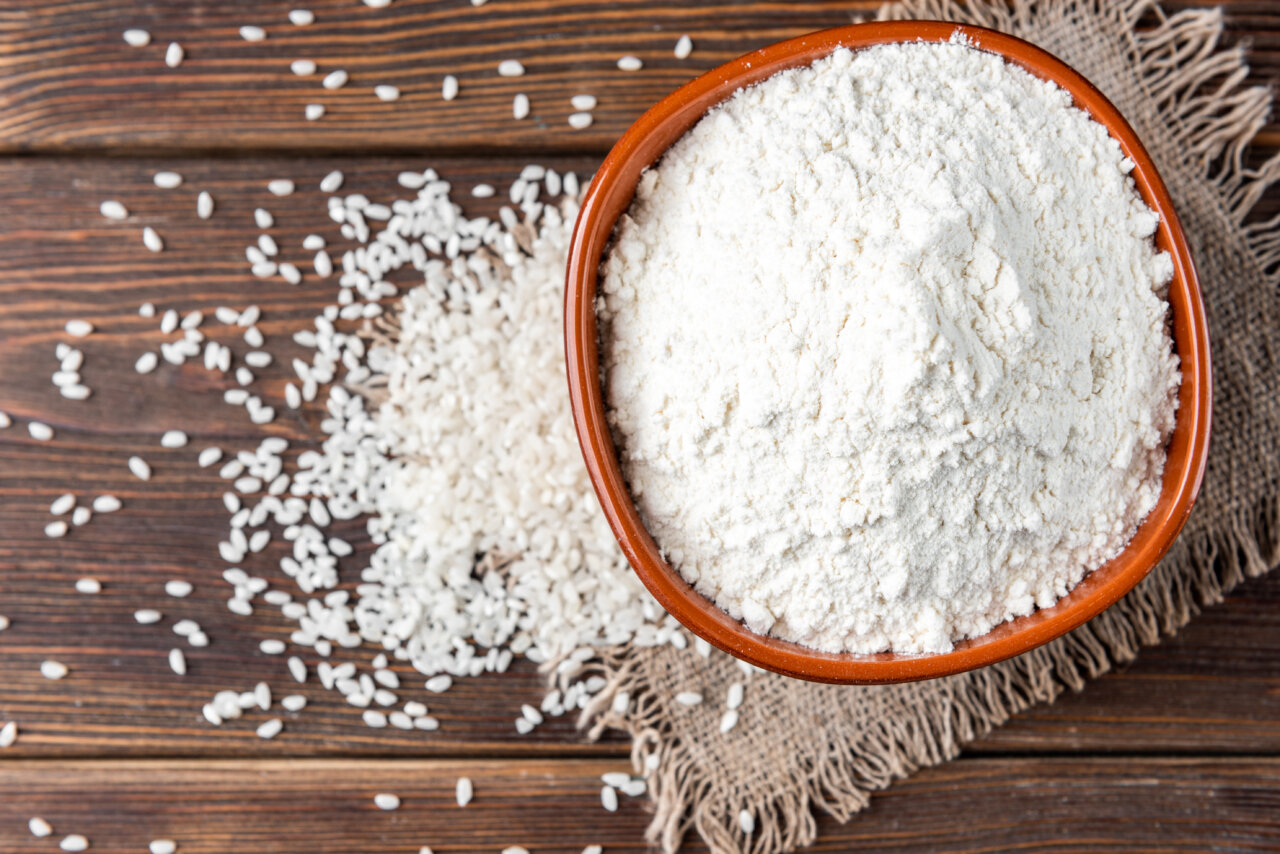

Rice starch is one of the most important natural components found in rice, yet many people in Ghana are not aware of how it affects cooking, nutrition, and even food texture.
Whether you are preparing everyday meals or cooking a special dish using Peacock Rice, understanding rice starch can help you cook better and achieve the perfect results every time.
In this article, we will explore the uses, benefits, and properties of rice starch, and how it influences the meals you prepare at home.
What is Rice Starch?
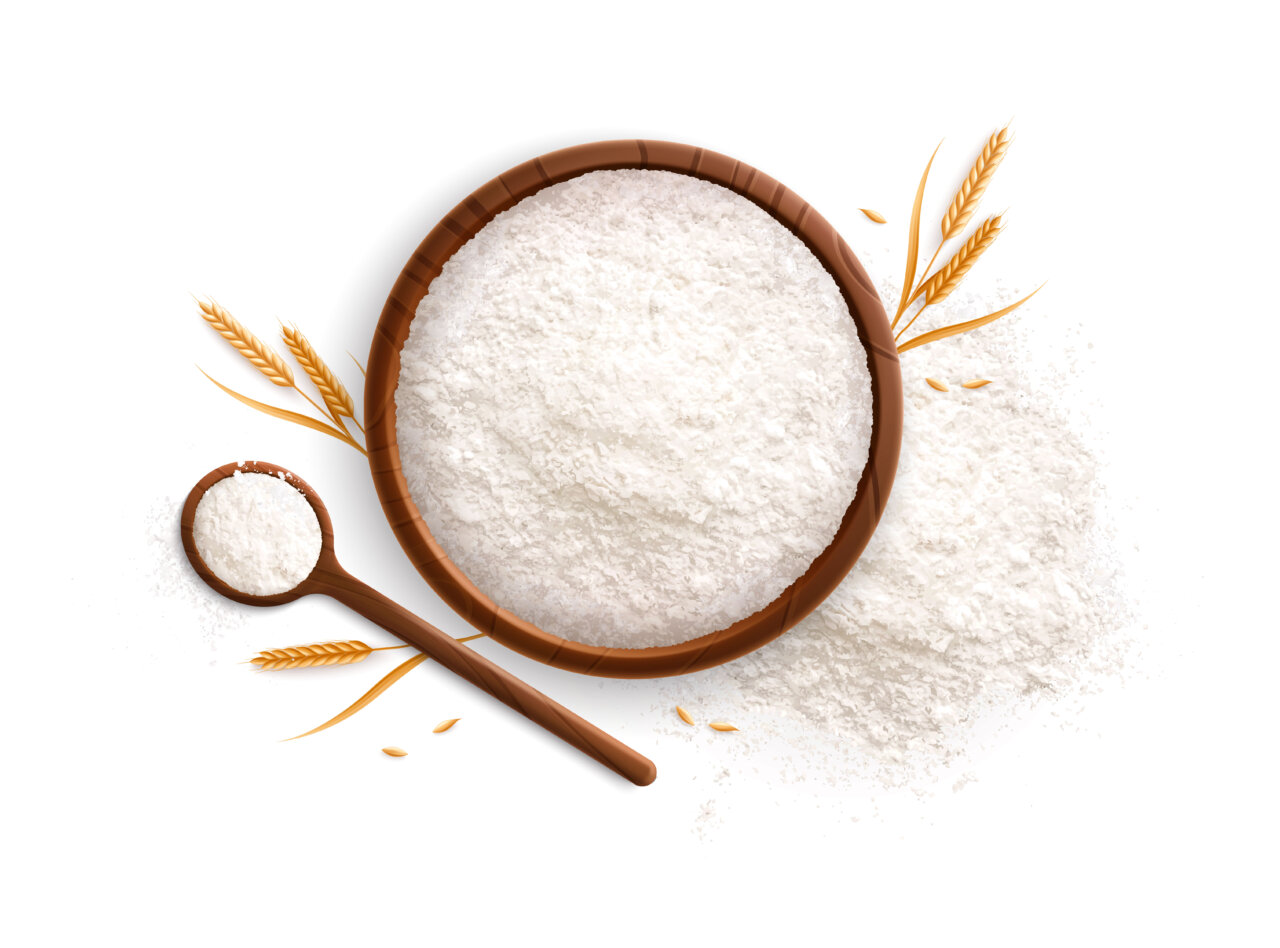
Rice starch is a natural carbohydrate found inside rice grains. It is made up of two key components:
- Amylose – gives rice a firm and separate texture
- Amylopectin – gives rice a soft and slightly sticky texture
The balance between these two determines how rice behaves when cooked. For example, Peacock Golden Sella Basmati Rice is known for its soft, fluffy texture because of its starch composition.
How Rice Starch Affects Cooking
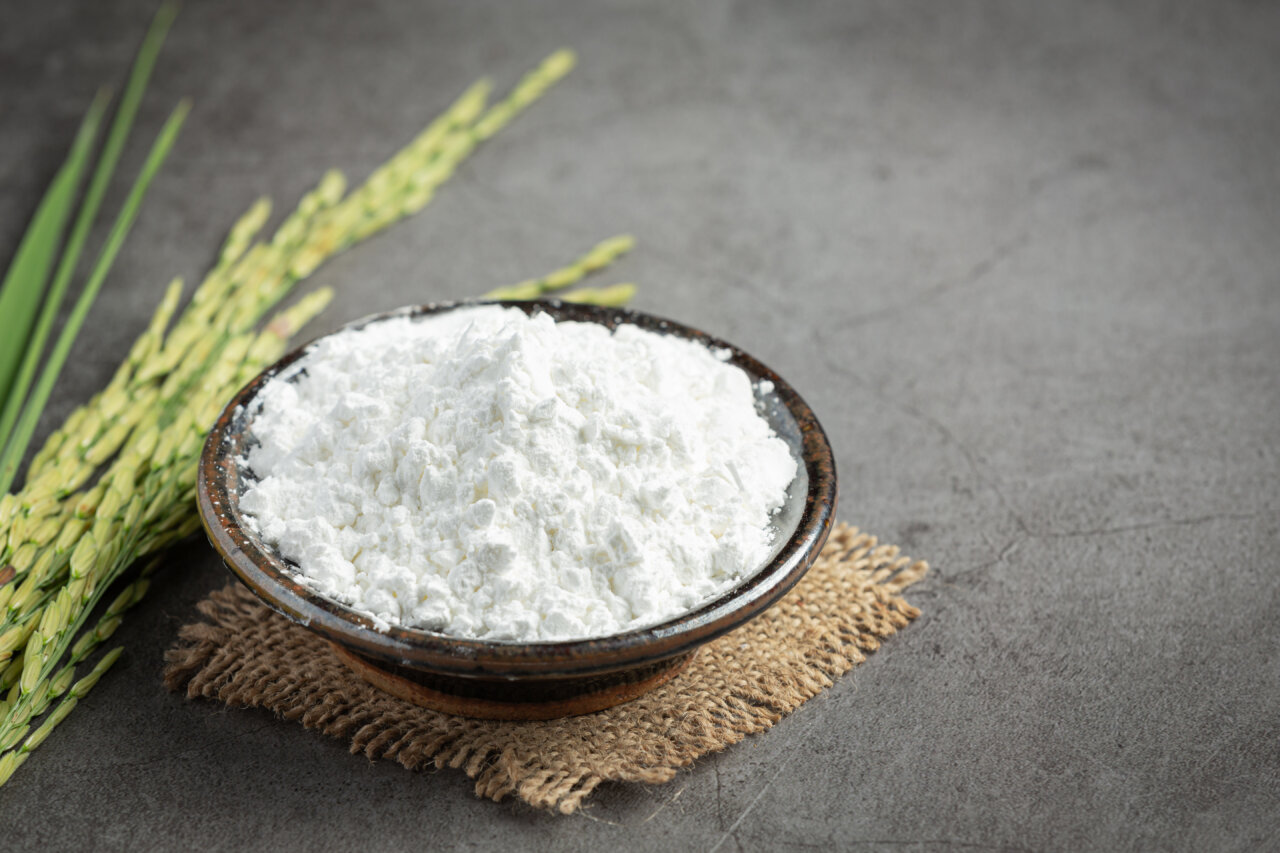
When rice is cooked, starch absorbs water and swells through a process known as gelatinization. This process is what transforms hard rice grains into soft, edible food.
As cooking continues, some of the starch is released into the water. This can either improve the texture of a dish or make it overly sticky, depending on how it is managed.
This is why proper washing, water control, and cooking technique are important when preparing rice.
Rice Starch in Ghanaian Cooking
In Ghanaian cuisine, rice starch is not something that is added to meals — it is something that must be controlled depending on the dish.
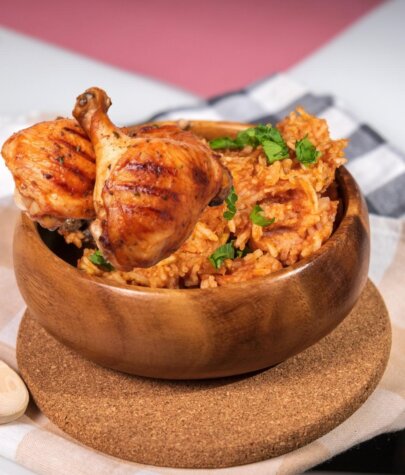
Jollof Rice
For well-cooked jollof rice, the goal is to achieve fluffy, separate grains.
Rinsing rice before cooking removes excess surface starch, preventing the rice from becoming sticky or clumped together. Using a rice variety that maintains structure helps achieve the desired result.
For dishes like this, options such as Thai Jasmine Fragant Rice are ideal because they produce long, firm, and well-separated grains.
Fried Rice
Fried rice requires even more control of starch.
Rice is often cooked ahead of time and allowed to cool. This reduces moisture and limits starch stickiness, allowing each grain to remain separate during frying.
In these dishes, managing starch correctly is the key to achieving the perfect texture.
Benefits of Rice Starch and Where It Is Most Useful
While rice starch must be controlled in some dishes, there are many meals where it plays a valuable and essential role.
1. Creates Smooth and Consistent Texture
Rice starch helps create smooth, even textures in food. It binds ingredients together and improves consistency without making meals heavy.
This is especially useful in:
- Custards and puddings
- Light soups and sauces
- Cream-based dishes
2. Ideal for Soft and Comfort Meals
Rice starch becomes particularly useful in meals that need to be soft, light, and easy to eat.
When rice is cooked longer or with more water, the starch breaks down and creates a naturally creamy texture.
This makes it perfect for:
- Rice porridge
- Meals for children
- Recovery diets
These meals are common in Ghanaian homes when comfort and easy digestion are important.
3. Enhances Creaminess in Desserts
Rice starch plays an important role in desserts by helping mixtures remain stable and smooth.
It is commonly used in:
- Rice pudding
- Custards and dessert creams
- Sweet sauces and fillings
Its neutral taste allows the natural flavour of the dessert to stand out while improving texture.
4. Works as a Natural Thickener
Rice starch can be used to thicken soups and sauces without changing their taste or colour.
It is ideal for:
- Light soups
- Sauces that require a smooth finish
- Stews that need improved consistency
It blends easily and creates a clean, smooth result.
5. Essential in Gluten-Free Cooking
Rice starch is naturally gluten-free and plays an important role in baking where wheat flour is not used.
It helps to:
- Improve softness in baked goods
- Create a lighter texture
- Support structure in gluten-free recipes
6. Provides Easy-to-Digest Energy
Rice starch is a source of carbohydrates that provides energy while remaining easy to digest.
This makes it suitable for:
- Children and growing individuals
- People with sensitive digestion
- Daily meals that require steady energy
Choosing the Right Rice for the Right Result
Different rice types behave differently because of their starch composition.
For soft, slightly sticky, and fragrant dishes, rice with higher amylopectin performs better.
For example, Peacock Thai Hom Mali Jasmine Rice is known for its soft texture and aroma, making it suitable for meals where a gentle, cohesive texture is preferred.
For dishes that require firm and separate grains, rice with higher amylose is more suitable.
Understanding this difference helps you choose the right rice for each meal.
Rice Starch Beyond Food
Skincare
Rice starch is widely used in natural skincare due to its gentle and soothing properties.
- Absorbs excess oil
- Soothes irritation
- Leaves the skin smooth and soft
Hair Care
Rice-based treatments are known to improve hair strength and shine over time.
- Strengthens hair strands
- Improves shine
- Reduces breakage
Industrial Uses
Rice starch is also used in various industries because of its natural and biodegradable properties.
- Biodegradable packaging
- Food processing
- Pharmaceutical production
Is Rice Starch Healthy?
Yes, rice starch is healthy when consumed as part of a balanced diet.
It provides energy, is easy to digest, and supports a wide range of meals. However, it should be combined with proteins, vegetables, and healthy fats for complete nutrition.
Frequently Asked Questions (FAQs)
1. Is rice starch the same as rice flour?
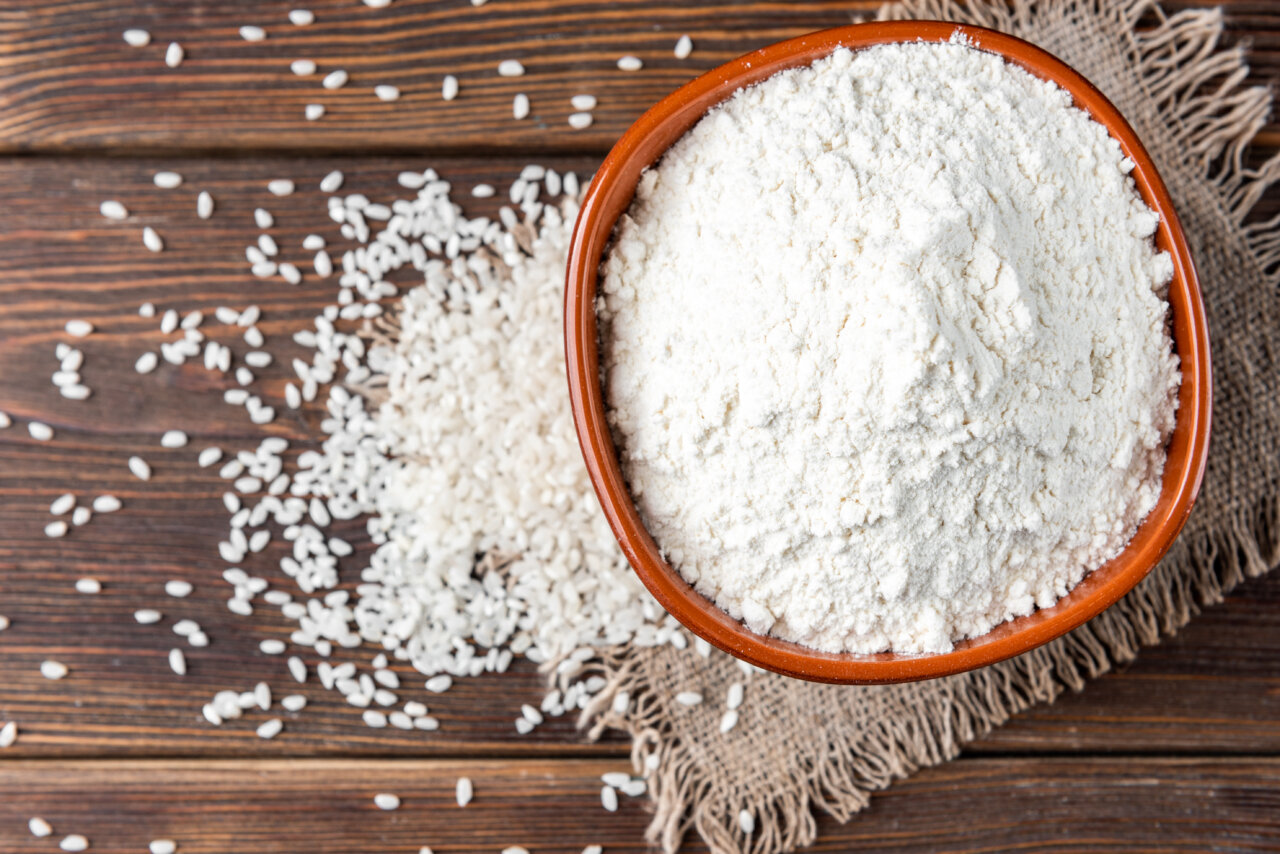
No, rice starch is the pure carbohydrate extracted from rice, while rice flour contains the entire ground grain including protein and fibre.
This is why rice starch is smoother and better for thickening, while rice flour is used for baking and structure.
2. Why do we rinse rice before cooking?
Rinsing removes excess surface starch that can cause rice to become sticky or clump together during cooking.
It helps achieve clean, separate grains, which is especially important for dishes like jollof rice and fried rice.
3. Why does rice become sticky?
Rice becomes sticky when excess starch is released during cooking or when too much water is used.
High-amylopectin rice varieties also naturally produce a softer, more cohesive texture.
4. Is rice starch good for digestion?
Yes, rice starch is easy to digest because of its simple structure and low irritation on the stomach.
It is commonly used in soft meals, baby foods, and recovery diets where gentle digestion is needed.
5. Which rice gives the best texture?
The best texture depends on the dish, as different rice types have different starch compositions. Premium options like Peacock Rice provide excellent texture, aroma, and consistency.
Conclusion
Rice starch is a natural and essential part of rice that affects how your meals turn out. While it is useful in many applications, in popular Ghanaian dishes like jollof rice and fried rice, the key is to control excess starch for the best texture.
By choosing high-quality rice like Peacock Rice, you can achieve better cooking results, improved taste, and consistent texture in every meal.
Understanding rice starch gives you more control in the kitchen and helps you prepare meals the right way every time.
Ready To Cook?
Try this Cinnamon Rice Pudding recipe
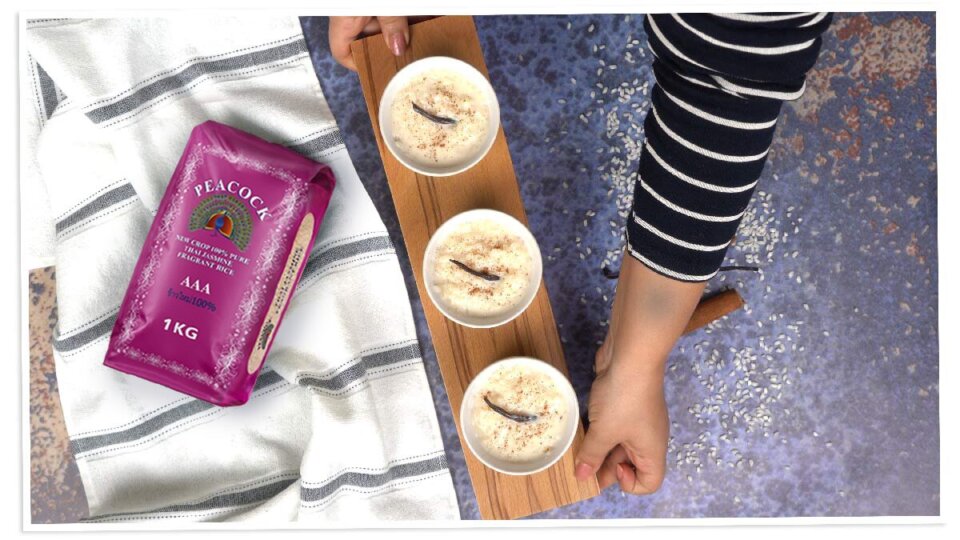
This classic dessert is a creamy, fragrant delight that warms the heart and soul. Follow these simple steps to make your own Jasmine Rice Pudding and enjoy this nostalgic delicacy, perfect for any occasion.