
A good night’s sleep is one of the most important things your body needs to function well. Yet many people in Ghana go to bed exhausted but still struggle to fall asleep, wake up repeatedly during the night, or rise in the morning feeling just as tired as when they lay down.
If this sounds familiar, your diet may be playing a bigger role than you think. What you eat in the hours before bed can either help your body relax and prepare for deep sleep or keep your mind alert and your body restless.
This post explores the foods that promote deep, restful sleep, the habits and foods that work against good sleep, and how simple changes to your evening meals can make a real difference.
Why Diet Affects Your Sleep
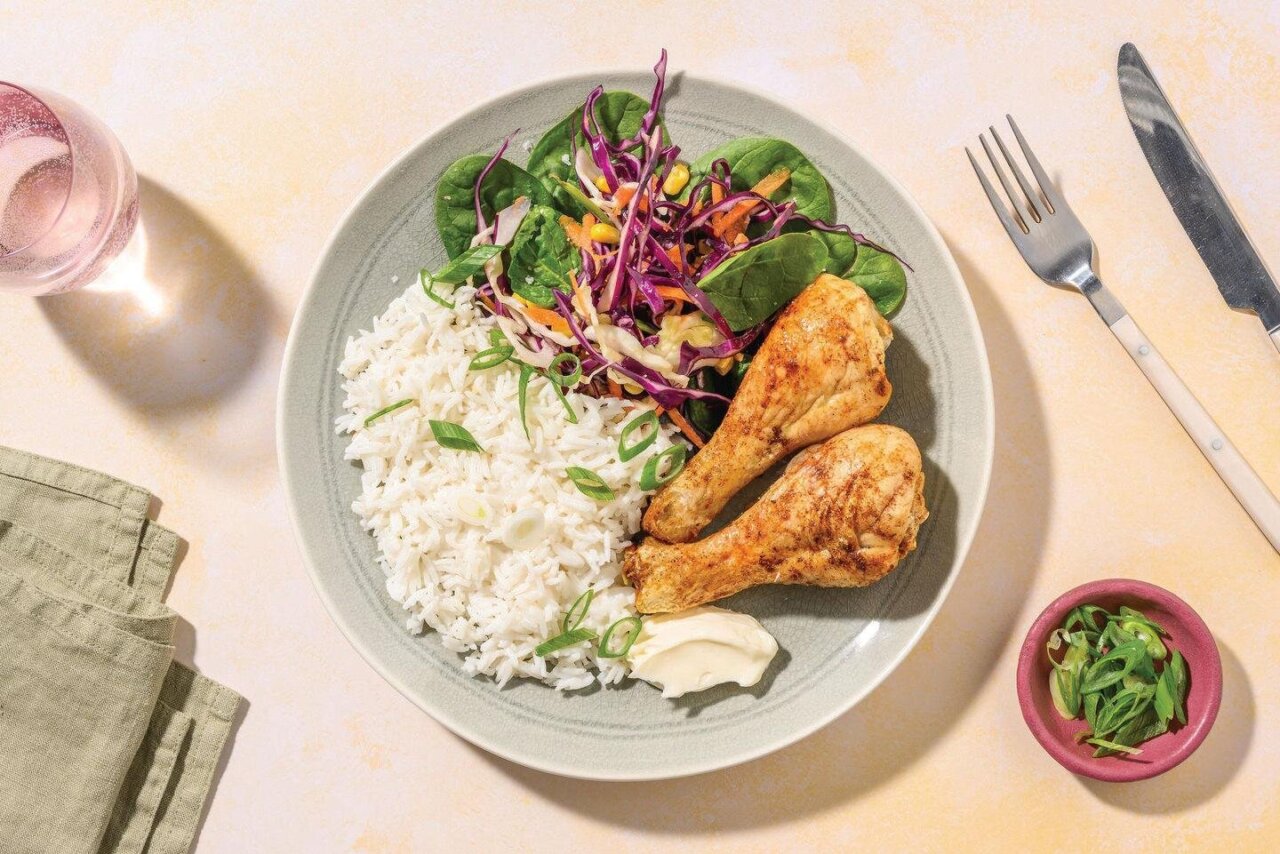
Sleep is not just about lying down and closing your eyes. It is a complex biological process that depends on hormones, body temperature, and brain chemistry all working together at the right time.
Two key players in sleep are melatonin and serotonin. Melatonin is the hormone that signals to your body that it is time to sleep. Serotonin is a brain chemical that helps regulate mood and is a building block for melatonin. Both are influenced by the nutrients your body gets from food.
When your evening meals are poorly balanced, too heavy, too sugary, or lacking key nutrients, your body may struggle to produce these sleep hormones at the right levels. The result is difficulty falling asleep, light or broken sleep, and waking up feeling unrefreshed.
How Food Supports Energy Production
The body converts food into energy through digestion and metabolism. Each nutrient plays a specific role:
- Carbohydrates are broken down into glucose, the body’s primary fuel source
- Protein supports muscle repair, helps you feel satisfied, and slows digestion
- Healthy fats provide concentrated energy and help meals last longer
- Vitamins and minerals such as iron, magnesium, and B vitamins help the body convert food into usable energy efficiently
This is why balanced meals are so important. The body performs best when it receives a combination of nutrients rather than relying too heavily on just one type of food.
Foods That Help You Sleep Deeply
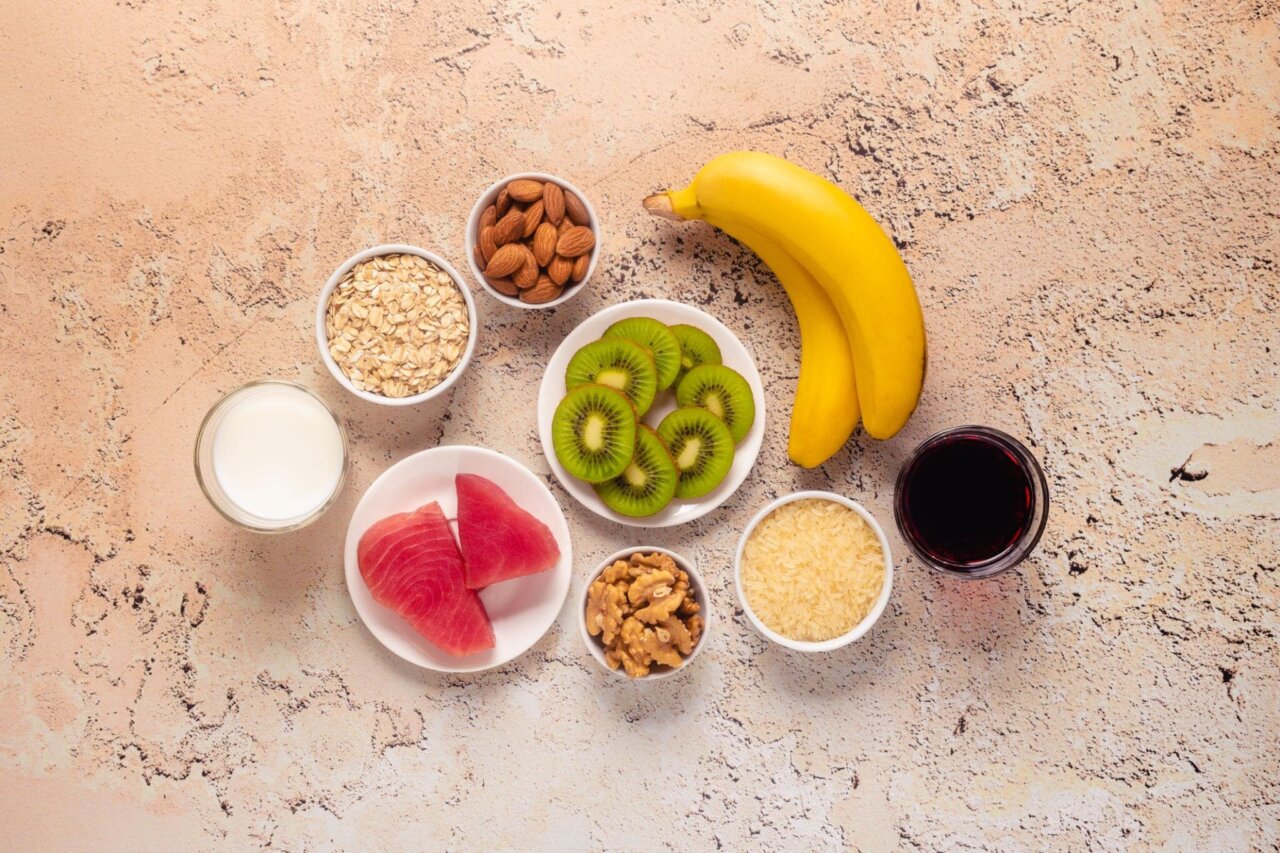
Rice and Complex Carbohydrates
Rice is one of the most helpful foods for sleep because complex carbohydrates support the production of serotonin in the brain. A moderate evening portion of rice can help relax the body and prepare it for sleep.
Research has also suggested that eating rice a few hours before bed may help reduce the time it takes to fall asleep. This makes a light, balanced rice-based dinner a practical and familiar option for many Ghanaian households.
Peacock Rice offers quality varieties well suited for a satisfying but not overly heavy evening meal:
- Peacock Thai Hom Mali Jasmine Rice has a soft, fragrant texture that pairs well with light vegetable dishes and grilled proteins, making it an ideal base for a sleep-friendly dinner.
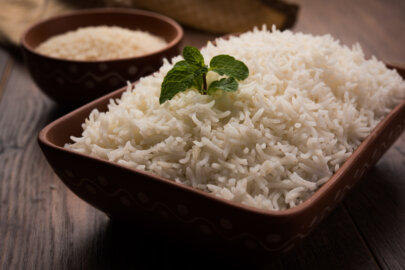
- Golden Sella Basmati Rice has fluffy, separate grains and a mild flavour that works well with soups and vegetable sides for a light and satisfying evening meal.
The key is portion size. A moderate serving of rice paired with light, nutritious sides supports sleep far better than a very heavy or overly spiced meal late at night.
Bananas
Bananas are one of the best sleep-supporting snacks available and they are affordable and widely available across Ghana. They are rich in:
- Magnesium, which helps relax muscles and calm the nervous system
- Potassium, which supports muscle relaxation and reduces night cramps
- Tryptophan, an amino acid the body uses to produce serotonin and melatonin
- Vitamin B6, which helps convert tryptophan into sleep hormones
A banana eaten an hour or two before bed is a simple, natural way to support better sleep.
Eggs
Eggs are a good source of tryptophan, the amino acid that the body converts into serotonin and eventually melatonin. They also provide protein that helps stabilize blood sugar overnight, reducing the chance of waking up due to hunger.
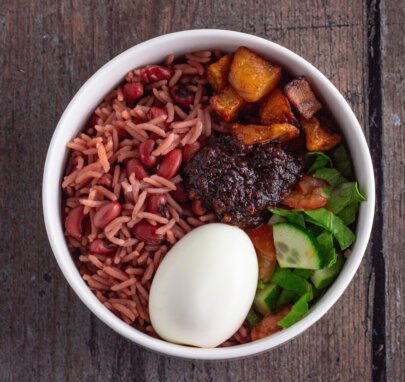
A light evening meal that includes eggs, such as a boiled egg with rice and vegetables, can support both satisfaction and restful sleep.
Fish
Fatty fish such as tilapia, mackerel, and tuna are excellent for sleep because they contain:
- Vitamin D, which is linked to the regulation of serotonin
- Omega-3 fatty acids, which support brain health and have been associated with improved sleep quality
- Tryptophan, which supports melatonin production
Grilled or steamed fish served with a moderate portion of rice and vegetables is one of the most sleep-friendly dinner combinations you can prepare at home.
Warm Milk
Warm milk before bed is a traditional remedy that actually has nutritional backing. Milk contains tryptophan and calcium, which helps the brain use tryptophan to produce melatonin. The warmth also has a relaxing effect on the body.
A small cup of warm milk about an hour before bed can be a helpful part of a wind-down routine, especially for children and adults who struggle to fall asleep.
Oats
Oats are a light, filling option that supports sleep because they are rich in complex carbohydrates, magnesium, and tryptophan. A small bowl of oat porridge in the evening can help the body feel calm and ready for rest without being too heavy on the stomach.
Groundnuts and Nuts
Groundnuts, almonds, and cashews are good sources of magnesium and tryptophan. Magnesium is one of the most important minerals for sleep because it helps calm the nervous system and relax muscles. A small handful of groundnuts as an evening snack can support better sleep, especially for people who experience restlessness or muscle tension at night.
Leafy Green Vegetables
Vegetables such as spinach, kontomire, and other dark leafy greens are rich in magnesium, calcium, and folate, all of which support the nervous system and contribute to better sleep quality. Including vegetables in your evening meal is a simple way to boost the sleep-supporting nutrients in your diet.
Herbal Teas
Caffeine-free herbal teas such as ginger tea, moringa tea, and chamomile tea (where available) can support relaxation before bed. These warm drinks help signal to the body that the day is winding down and encourage a calmer, more restful state before sleep.
Why Your Evening Meal Matters Most
The meal you eat closest to bedtime has the most direct impact on your sleep. A well-balanced evening meal should be:
- Moderate in size, not so large that digestion keeps the body working hard through the night
- Rich in complex carbohydrates to support serotonin production
- Paired with a light protein such as fish, eggs, or beans to stabilize blood sugar
- Low in heavy spices, excess oil, and very salty ingredients that can cause discomfort or restlessness
- Eaten at least two to three hours before bed to allow digestion to settle
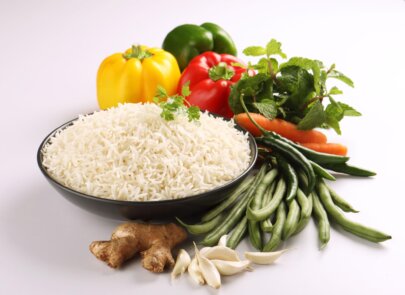
A practical example is a moderate plate of Golden Sella Basmati Rice with grilled fish and a side of steamed vegetables. This kind of meal provides carbohydrates, protein, and key minerals without being too heavy or too spicy for a good night’s rest.
Foods and Habits That Disrupt Sleep
Just as some foods support sleep, others work against it. Being aware of these can make a significant difference:
- Caffeine. Tea, coffee, energy drinks, and some soft drinks contain caffeine, which blocks sleep signals in the brain. Avoid them from late afternoon onwards if you struggle to sleep.
- Very spicy or heavily seasoned food. Hot pepper, shito, and heavily spiced dishes can cause heartburn and discomfort that make it hard to fall asleep or stay asleep.
- Sugary foods and drinks. A high sugar intake before bed can cause blood sugar fluctuations that disrupt sleep during the night.
- Very large, heavy meals late at night. Eating a very full meal close to bedtime forces the digestive system to keep working, which can interfere with the body’s ability to enter deep sleep.
- Alcohol. While alcohol may initially cause drowsiness, it disrupts sleep quality and often causes waking during the night.
- Excess salt. High sodium intake can lead to dehydration and increased thirst, both of which disturb sleep.
Simple Evening Habits That Improve Sleep
Food is one part of the picture. These habits alongside a sleep-friendly diet can make a bigger difference:
- Eat your last main meal at least two to three hours before bedtime
- Drink water consistently during the day so you are not thirsty at night
- Reduce screen time in the hour before bed, as bright screens can suppress melatonin
- Keep your sleeping space as cool, dark, and quiet as possible
- Try to go to bed and wake up at roughly the same time each day to train your body clock
Simple Sleep-Friendly Meal Ideas
Light Dinners
- Grilled tilapia with plain rice and steamed vegetables
- Rice and beans with a small side of kontomire stew (light on oil and pepper)
- Boiled egg with rice porridge and a banana on the side
Evening Snacks
A cup of warm ginger or moringa tea
A banana with a small handful of groundnuts
A small bowl of oat porridge with warm milk
The Bottom Line
Getting deeper, more restful sleep does not always require medication or major lifestyle changes. Sometimes the answer starts with what is on your plate.
- Eat a moderate, balanced dinner that includes complex carbohydrates, a light protein, and vegetables
- Include sleep-supporting foods like bananas, eggs, fish, groundnuts, and leafy greens in your evening meals
- Avoid caffeine, heavy spices, sugary drinks, and very large meals close to bedtime
- Give your body two to three hours to digest before you sleep
Small, consistent changes to your evening eating habits can lead to noticeably better sleep over time, and better sleep means more energy, better mood, and improved health during the day.
Frequently Asked Questions
What food helps you sleep faster?
Foods rich in magnesium, tryptophan, and complex carbohydrates may help support relaxation and sleep. Examples include rice, bananas, nuts, fish, and warm milk.
Is rice good before bed?
Yes. Rice can be a comforting evening food because it is easy to digest and provides carbohydrates that may help support relaxation and sleep readiness.
What should I avoid eating before bedtime?
It is best to avoid excessive caffeine, heavy fried foods, large meals, and sugary snacks close to bedtime because they may interfere with sleep quality.
Can dinner timing affect sleep?
Yes. Eating too late at night may make it harder for the body to relax and digest properly. Many people sleep better when dinner is eaten a few hours before bedtime.
Does warm food help with sleep?
Warm foods and drinks can create a comforting and calming effect that helps the body relax before bedtime.
Conclusion
Deep and restful sleep is essential for physical health, mental clarity, emotional balance, and daily productivity. The foods you eat can either support or disrupt your sleep cycle, making nutrition an important part of healthy rest.
Simple foods such as rice, bananas, vegetables, fish, and warm milk can naturally help the body relax and prepare for sleep. Light and balanced evening meals made with high-quality grains like Golden Sella Basmati Rice or fragrant jasmine rice varieties can become comforting additions to a healthy nighttime routine.
With better eating habits and calming evening routines, restful nights may become easier to achieve naturally.
A Warm and Comforting Dinner for Restful Sleep

What you eat in the evening can influence how relaxed and comfortable your body feels before bedtime. Warm meals made with balanced ingredients, gentle spices, and nourishing carbohydrates can help create a calming nighttime routine that supports better sleep.
This Curry Rice with Peacock Golden Sella Basmati Rice is a comforting dinner option packed with rich flavour, fragrant spices, creamy textures, and colourful vegetables. The long basmati grains cook light and fluffy, creating a satisfying meal that feels filling without being overly heavy at night.
The soothing warmth of the curry, combined with the delicate aroma of basmati rice, makes this dish perfect for relaxing after a long day. Enjoying comforting meals like this as part of a balanced evening routine may help the body feel calmer and more prepared for restful sleep.