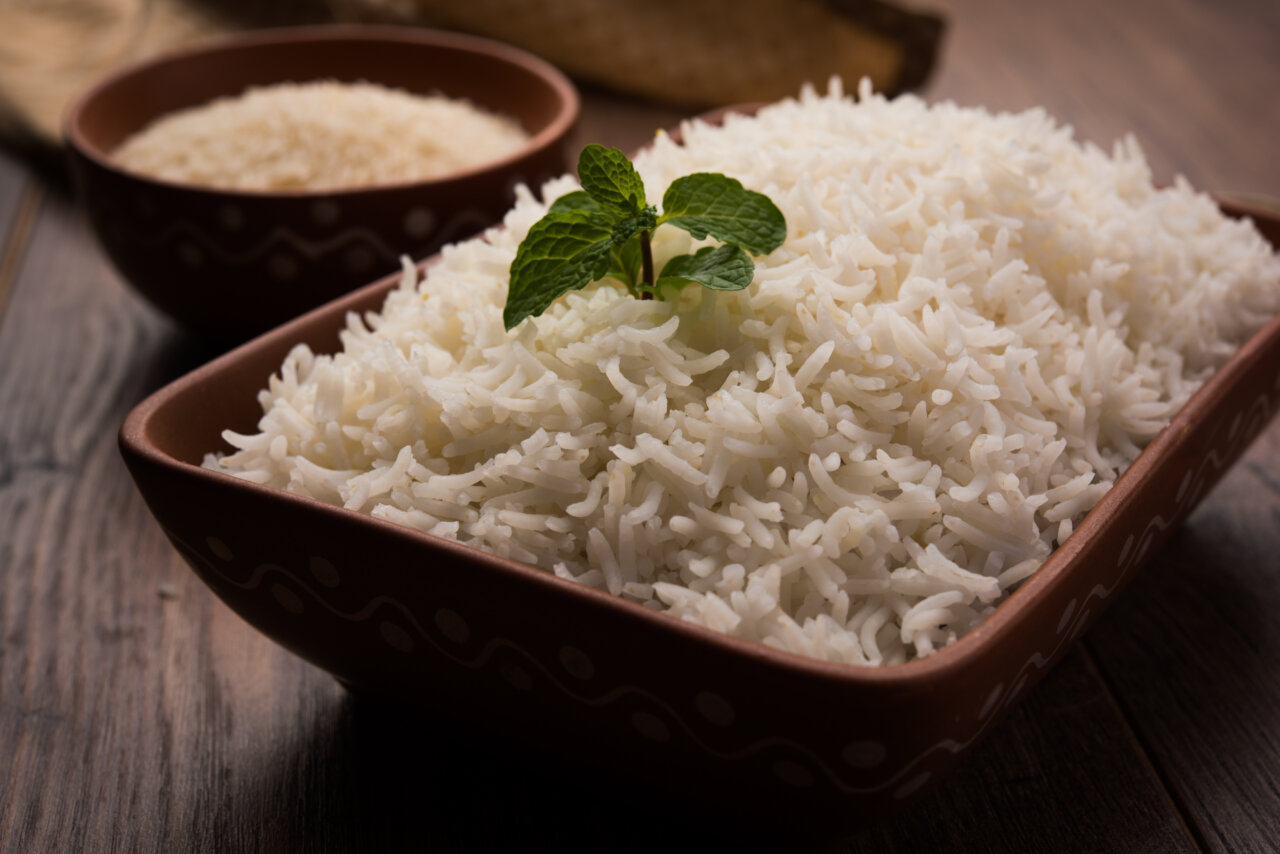

Have you ever wondered about the nutritional value of white rice? White rice is a staple food consumed all over the world and especially valued for its versatility. It can be served with a wide variety of dishes, from everyday meals to special family recipes.
Despite being a refined product, white rice still provides important nutrients for the body. It is easy to cook, simple to digest, and plays an essential role in many cultures thanks to its neutral taste and ability to complement many foods.
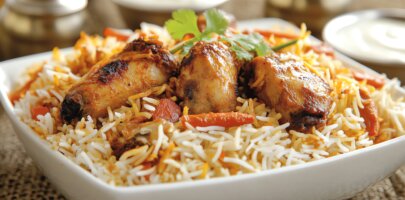
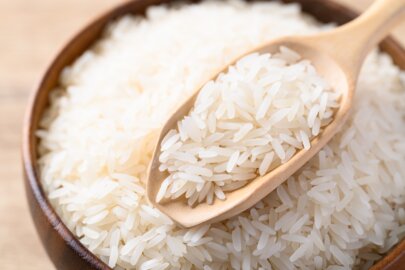
Trusted brands like Peacock Rice offer high-quality rice products that help families prepare nutritious and satisfying meals. One of their premium offerings is Golden Sella Basmati Rice, known for its long grains, rich aroma, and excellent cooking quality.
Why White Rice Is So Popular
White rice is widely appreciated for its light texture and mild flavor. It is one of the most commonly consumed types of rice and is used daily as a side dish or main ingredient in many meals.
It is especially valued because it:
- is easy to prepare
- provides energy
- can be combined with vegetables, meat, fish, or sauces
High-quality options from brands like Peacock Rice, including products such as Golden Sella Basmati Rice, make it easy to prepare satisfying meals for the whole family.
White Rice Compared to Other Types of Rice
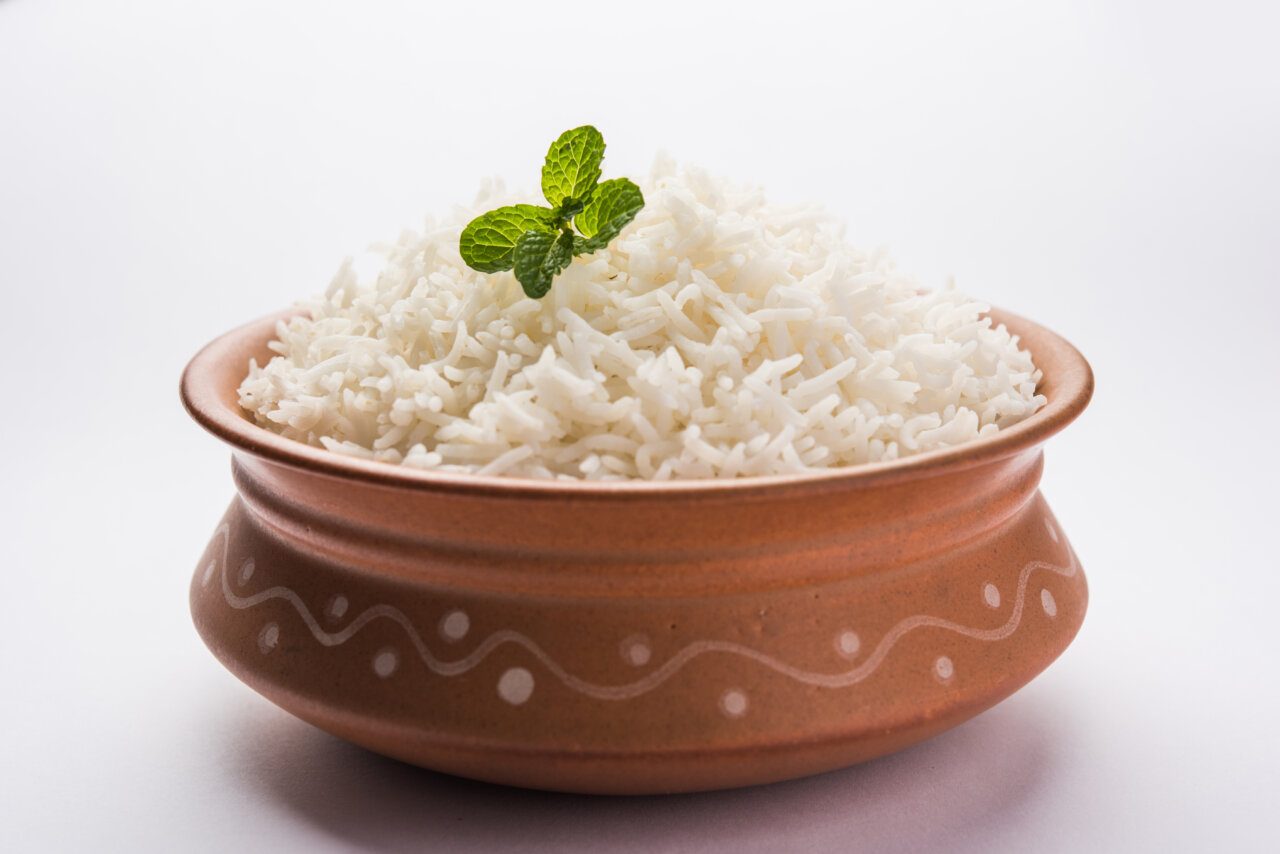
There are many types of rice, each with its own characteristics:
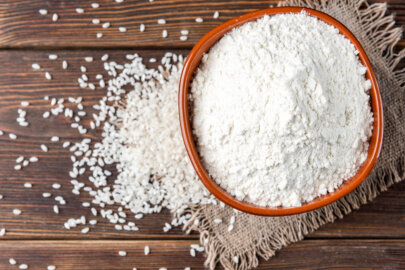
- White rice: The most commonly consumed rice worldwide. It has a soft texture and neutral flavor, making it ideal for everyday meals and family cooking.
- Brown rice: Less processed and richer in fiber, with a firmer texture and a slightly nutty taste.
- Sticky rice: Mainly used for specific dishes and desserts, with a naturally sticky texture.
- Black rice: Rich in antioxidants and nutrients, often used in more specialized recipes.
White rice remains the preferred choice for daily meals due to its accessibility, taste, and ease of digestion.
Nutritional Value of White Rice
White rice is mainly composed of carbohydrates, which makes it an excellent source of energy. It is naturally low in fat and contains moderate amounts of protein, making it suitable for balanced meals when combined with other foods.
Many households enjoy preparing meals using reliable brands like Peacock Rice. Premium products such as Golden Sella Basmati Rice are especially valued for their long grains and ability to cook into fluffy, separate rice.
Nutritional Values per 100g of Cooked White Rice
- Energy: approx. 130 kcal
- Carbohydrates: about 28 g
- Protein: about 2.7 g
- Fat: about 0.3 g
- Minerals: small amounts of calcium, iron, potassium, and phosphorus
These values make white rice a reliable energy source for daily activities.
Carbohydrates: A Key Source of Energy
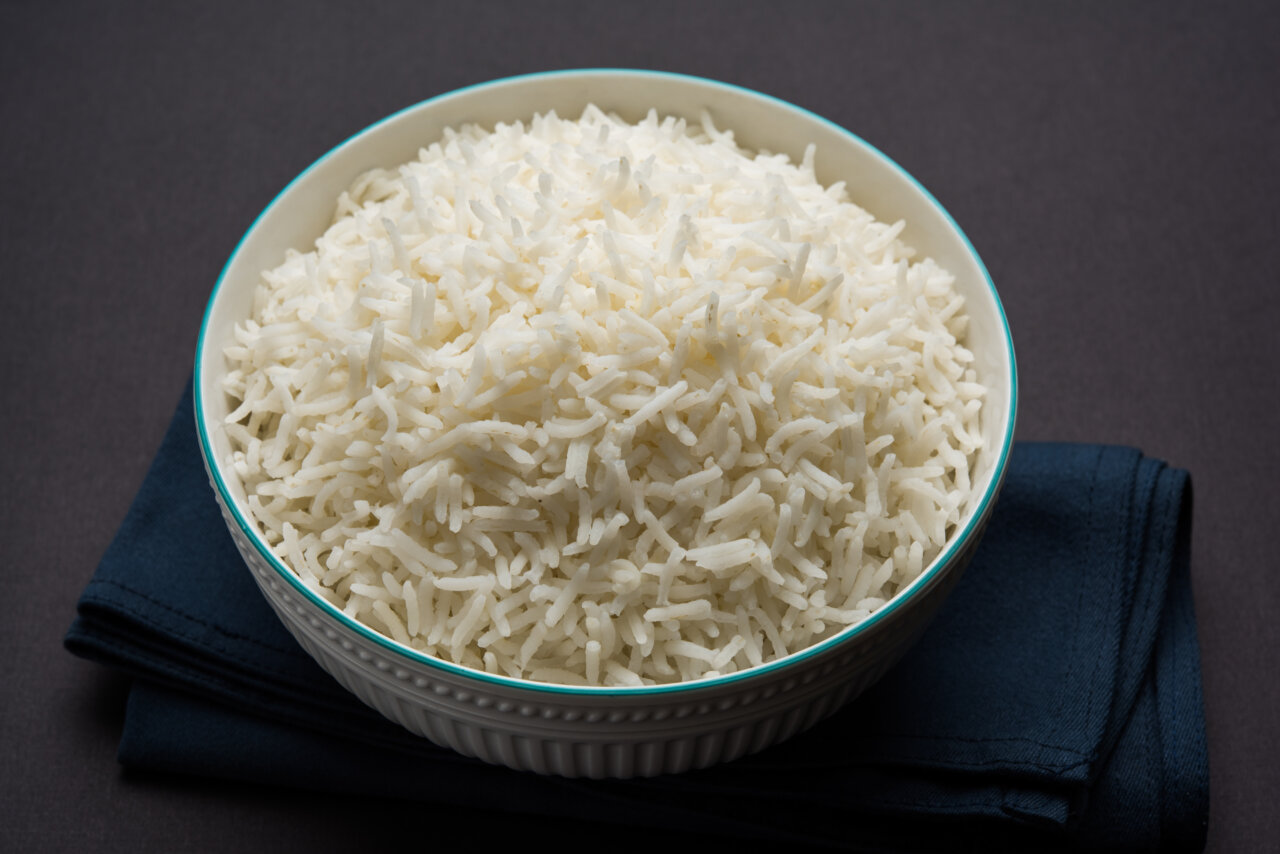
The carbohydrates in white rice are mainly starch, which is easily digested and absorbed by the body. This provides quick and effective energy, making white rice ideal for active people, workers, and students.
Meals prepared with high-quality rice products such as Peacock Rice Golden Sella Basmati Rice are often enjoyed before or after physical activity to help restore energy levels.
Minerals and Proteins
Although white rice is not the richest source of minerals or protein, it still contributes essential nutrients to the diet. When combined with vegetables, legumes, meat, or fish, it becomes part of a complete and nourishing meal.
Low Fat and Easy to Digest
White rice contains very little fat, which makes it light and easy to digest. This is why it is often recommended for people who prefer simple meals or need food that is gentle on the stomach.
An Ideal Food for Active Lifestyles
White rice is especially suitable for people with active lifestyles because it provides fast energy without heaviness. Its low fat content and high carbohydrate level help replenish energy after physical effort.
When eaten with protein-rich foods such as chicken, fish, or beans, it supports muscle recovery and overall strength.
Is White Rice a Good Food Choice?
White rice is a good source of energy and an important part of a balanced diet. While it contains less fiber than brown rice, it is still nutritious when eaten with vegetables, proteins, and healthy fats.
Many families trust brands like Peacock Rice, especially premium products like Golden Sella Basmati Rice, for everyday cooking because of their consistent quality.
Rather than eating it alone, white rice is best enjoyed as part of a complete meal.
How to Get the Most Nutritional Benefits from White Rice
- Cook rice in water or low-salt stock
- Avoid overcooking to preserve nutrients
- Add vegetables for fiber and vitamins
- Combine with protein sources like chicken, fish, eggs, or beans
- Use herbs and spices to enhance flavor naturally
Conclusion
White rice is a simple but essential food that provides energy, comfort, and versatility. Although it is refined, it remains a valuable part of daily meals when combined with nutritious ingredients.
By preparing it properly and pairing it with vegetables, proteins, and healthy fats, quality products like Peacock Rice Golden Sella Basmati Rice can easily become part of a balanced and nourishing diet for the whole family.
Ready to Cook?
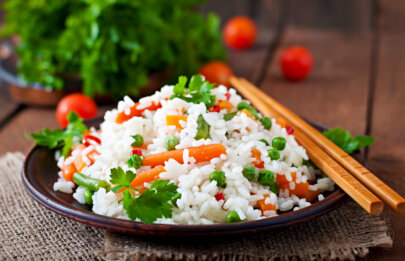
Try This Healthy Vegetable Rice Recipe
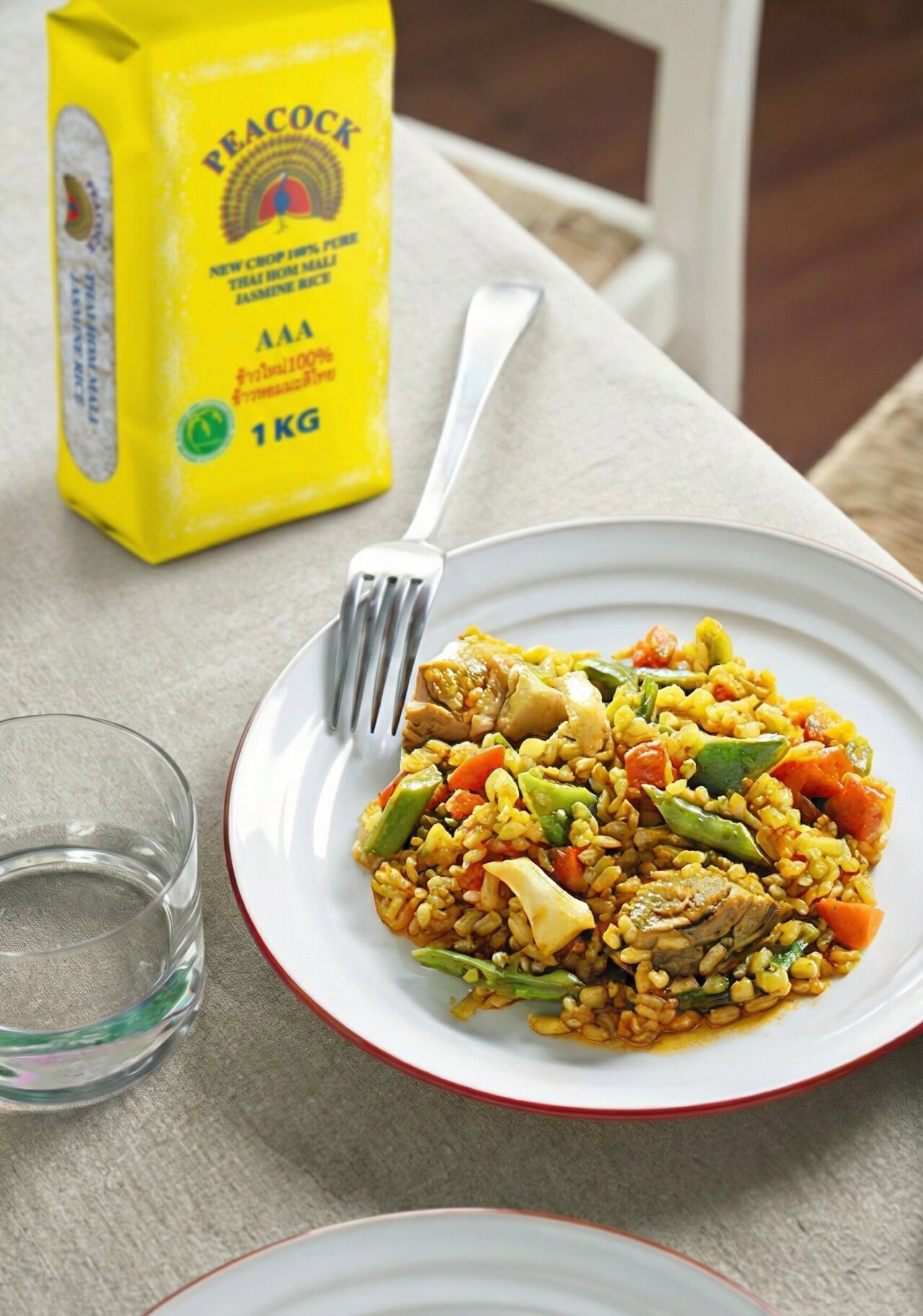
There is nothing quite like the aroma of a home-cooked meal to bring the family together. This Vegetable Rice Recipe is more than just a quick lunch; it’s a tribute to the traditional flavors we grew up with. By using premium Peacock Thai Hom Mali Jasmine Rice, you get that perfect, fluffy texture and fragrant scent that turns a simple vegetable medley into a gourmet experience. Whether you’re cooking for your kids or looking for a taste of your grandmother’s kitchen, this dish is a wholesome, heartwarming choice for any day of the week.